UMass Blog

Sample Page

Category: General

  • The Importance of Healthy Lifestyle Choices
    The Importance of Healthy Lifestyle Choices

    Living a healthy lifestyle is one of the best investments a person can make for their future. Good health is not achieved through one major decision but through a series of small, consistent choices made every day. Eating nutritious food, staying physically active, getting enough sleep, managing stress, and maintaining positive relationships all contribute to a healthier and happier life. In today’s fast-paced world, it is easy to develop habits that negatively affect physical and mental well-being. However, choosing a healthy lifestyle can improve energy levels, reduce the risk of illness, and enhance overall quality of life. Every positive choice, no matter how small, helps build a stronger foundation for long-term health.

    What Is a Healthy Lifestyle?

    A healthy lifestyle involves adopting daily habits that support physical, mental, and emotional well-being. It goes beyond simply eating healthy foods or exercising occasionally. Instead, it includes maintaining balance in every aspect of life.

    Healthy lifestyle choices include consuming a balanced diet, staying hydrated, exercising regularly, sleeping adequately, avoiding harmful habits, and managing stress effectively. Together, these habits improve overall health and help people enjoy more active and fulfilling lives.

    A healthy lifestyle is not about perfection but about making consistent improvements over time.

    The Benefits of Balanced Nutrition

    Good nutrition provides the body with the essential vitamins, minerals, and nutrients needed to function properly. A balanced diet includes fruits, vegetables, whole grains, lean proteins, and healthy fats that support growth, energy, and overall health.

    Eating nutritious meals helps maintain a healthy weight, strengthens the immune system, and reduces the risk of chronic diseases such as heart disease and diabetes. It also improves concentration, mood, and daily productivity.

    Making healthier food choices consistently can lead to long-lasting physical and mental benefits.

    The Importance of Regular Physical Activity

    Exercise is an essential part of a healthy lifestyle. Regular physical activity strengthens the heart, muscles, and bones while improving flexibility and endurance.

    Activities such as walking, jogging, cycling, swimming, or even dancing help improve physical fitness and boost energy levels. Exercise also releases natural chemicals that improve mood and reduce feelings of stress and anxiety.

    Even moderate daily activity can make a significant difference in overall health and well-being.

    Getting Enough Rest and Sleep

    Quality sleep is just as important as proper nutrition and regular exercise. During sleep, the body repairs tissues, restores energy, and supports brain function.

    Adults generally benefit from seven to nine hours of sleep each night. Consistent sleep schedules improve concentration, memory, emotional balance, and overall productivity.

    Lack of sleep can negatively affect both physical and mental health, making adequate rest a vital part of a healthy lifestyle.

    Managing Stress Effectively

    Stress is a natural part of life, but managing it properly is essential for maintaining good health. Prolonged stress can affect physical health, emotional well-being, and daily performance.

    Healthy stress management techniques include meditation, deep breathing exercises, spending time with loved ones, pursuing hobbies, and maintaining regular physical activity. Taking short breaks during busy days also helps improve focus and reduce tension.

    Learning to manage stress effectively contributes to greater emotional resilience and overall happiness.

    Building Healthy Habits

    Healthy lifestyles are built through consistent daily habits rather than temporary changes. Small actions such as drinking more water, preparing nutritious meals, walking regularly, and reducing screen time gradually become part of everyday routines.

    Setting realistic goals makes it easier to maintain positive habits over the long term. Celebrating small achievements also encourages continued motivation and personal growth.

    Consistency is far more important than making drastic changes that are difficult to maintain.

    The Role of Positive Relationships

    Strong relationships contribute significantly to emotional and mental well-being. Spending time with supportive family members, friends, and communities creates a sense of belonging and reduces feelings of loneliness.

    Positive social connections encourage healthy behaviors, provide emotional support during difficult times, and contribute to greater life satisfaction. Meaningful relationships are an important part of maintaining overall health.

    A balanced lifestyle includes caring for emotional health as well as physical well-being.

    Creating a Healthier Future

    Healthy lifestyle choices made today have lasting effects on future well-being. By adopting positive habits early and maintaining them consistently, individuals can reduce the risk of many health problems while improving their overall quality of life.

    Every healthy decision, whether choosing nutritious food, staying active, or prioritizing mental health, contributes to long-term wellness. Small improvements made consistently often lead to significant positive outcomes over time.

    Investing in health today creates a stronger, happier future.

    Conclusion

    Healthy lifestyle choices are essential for achieving long-term physical, mental, and emotional well-being. Through balanced nutrition, regular exercise, quality sleep, effective stress management, and positive relationships, individuals can improve their overall quality of life and reduce the risk of many health problems. A healthy lifestyle is not about making perfect decisions every day but about choosing habits that support lasting wellness. By making small, consistent improvements and remaining committed to personal well-being, anyone can enjoy a healthier, more energetic, and more fulfilling life. Every positive choice made today becomes an investment in a stronger and brighter future.


  • The Importance of Adaptability Today

    The Importance of Adaptability Today

    The world is changing faster than ever. Technology continues to evolve, workplaces are transforming, new industries are emerging, and the way people learn and communicate is constantly shifting. In such an environment, one quality has become especially valuable: adaptability.

    Adaptability is the ability to adjust to new circumstances, learn from changing situations, and respond effectively when plans do not go as expected. It does not mean changing who you are every time something new happens . Instead, it means being open-minded enough to learn, flexible enough to adjust, and confident enough to move forward when the path changes.

    Today, adaptability is not simply a useful personal quality. It is an essential skill for navigating modern life.

    The World Is Constantly Changing

    Change has always been part of life, but modern developments have increased its speed.

    Technology can transform how people work within only a few years. New tools can replace older methods, while new opportunities can emerge unexpectedly.

    People who remain open to learning are often better prepared to respond to these changes.

    Adaptability allows individuals to see change as something they can understand and navigate rather than something they must always fear.

    Adaptability in the Workplace

    The modern workplace is one of the clearest examples of why adaptability matters.

    Employees may need to learn new software, work with remote teams, take on different responsibilities, or adjust to changing customer expectations.

    A person who is willing to learn new skills can often respond more effectively to these developments.

    Employers also value adaptable workers because businesses frequently face unexpected challenges.

    Being able to adjust plans, solve new problems, and learn unfamiliar processes can help both employees and organizations remain productive.

    Learning New Skills

    Adaptability and continuous learning go hand in hand.

    As industries change, some skills become more valuable while others may become less relevant.

    This makes lifelong learning increasingly important.

    People do not need to master every new technology or trend, but they should remain curious about developments that affect their education, career, or interests.

    Learning a new skill can also increase confidence.

    Once people experience themselves successfully learning something unfamiliar, they may become more comfortable approaching future changes.

    Adapting to Technological Change

    Technology has transformed communication, education, entertainment, and business.

    From smartphones to artificial intelligence, digital tools continue to influence everyday life.

    Some people may feel overwhelmed when new technologies appear, especially when they are unfamiliar.

    Adaptability helps people approach these changes with curiosity.

    Instead of assuming that new technology is impossible to understand, adaptable individuals are willing to explore it, ask questions, and learn gradually.

    This mindset can help people benefit from technology while still thinking carefully about how it should be used.

    Adaptability Improves Problem Solving

    Not every problem can be solved using the same method.

    Sometimes an approach that worked perfectly in the past may no longer be effective.

    Adaptable people are willing to reconsider their strategies.

    They can examine what is happening, identify what has changed, and explore alternative solutions.

    This flexibility is especially useful when facing unexpected situations.

    Rather than becoming stuck because the original plan failed, adaptable individuals can look for another route.

    Supporting Personal Growth

    Adaptability is also important for personal development.

    Life does not always follow the plans people create. Goals can change, relationships can evolve, and new opportunities can appear.

    Being adaptable allows individuals to adjust without feeling that every change represents failure.

    Sometimes a change in direction can lead to an opportunity that was not originally considered.

    Personal growth often happens when people become comfortable with the idea that their future may look different from what they first imagined.

    Building Resilience

    Adaptability and resilience are closely connected.

    When circumstances change unexpectedly, adaptable people are often better prepared to adjust their expectations and find a way forward.

    This does not mean that change is always easy.

    It simply means that individuals are willing to acknowledge reality and focus on what they can do next.

    Over time, successfully adapting to difficult situations can strengthen confidence and emotional resilience.

    Encouraging Better Relationships

    Adaptability can also improve relationships.

    People have different personalities, communication styles, and needs.

    Being adaptable means recognizing that effective communication may require flexibility.

    For example, a person may need to change the way they explain something depending on who they are speaking with.

    Being willing to listen, understand different perspectives, and adjust behavior when appropriate can help create stronger relationships.

    Avoiding the Fear of Change

    One of the biggest barriers to adaptability is fear.

    Change often creates uncertainty because people cannot always predict what will happen next.

    However, refusing to change does not necessarily protect people from uncertainty.

    In many situations, learning to adapt can provide greater confidence.

    Instead of asking, “What if everything goes wrong?” people can ask, “What can I learn, and how can I respond?”

    This shift in thinking can make change feel more manageable.

    Developing an Adaptable Mindset

    Adaptability is not something people either have or do not have. It can be developed over time.

    Individuals can practice adaptability by trying new activities, learning unfamiliar skills, listening to different perspectives, and becoming comfortable with adjusting plans.

    Even small changes can provide valuable practice.

    The goal is not to seek change constantly but to become more prepared when change naturally occurs.

    Conclusion

    The importance of adaptability today is clear. In a world shaped by rapid technological progress, changing workplaces, and evolving social expectations, the ability to adjust can help people remain confident and capable.

    Adaptability allows individuals to learn new skills, solve unfamiliar problems, respond to unexpected situations, and make the most of emerging opportunities.

    It does not mean abandoning personal values or changing direction without purpose. Instead, it means staying open to new information and being willing to adjust when circumstances require it.

    The future will always contain some level of uncertainty. No one can predict every change that will happen, but everyone can develop the ability to respond thoughtfully.

    Ultimately, adaptability is about understanding that change is a natural part of life. When people approach new situations with curiosity rather than fear, they become better prepared to learn and grow.

    In today’s fast-moving world, the ability to adapt may be one of the greatest advantages a person can have. It helps individuals not only survive change but also discover new possibilities within it.

  • The Value of Consistent Effort

    The Value of Consistent Effort

    Success is often associated with talent, intelligence, or good luck. While these qualities can certainly help, one of the most important factors behind meaningful achievement is consistent effort. People who continue working toward their goals, even when progress feels slow, often accomplish more than those who rely only on occasional bursts of motivation.

    Consistent effort does not mean working without rest or expecting perfection every day. Instead, it means showing up regularly, doing what you can, and continuing to move forward. Small actions repeated over time can create powerful results and turn ordinary efforts into extraordinary achievements.

    Small Efforts Add Up

    One of the greatest advantages of consistency  is that small efforts can accumulate over time. A single day of practice may not make a noticeable difference, but months or years of regular effort can completely transform a person’s abilities.

    Consider a student who studies for a short period every day. The amount of work completed in one session may seem small, but after several weeks, the student has gained a significant amount of knowledge. Similarly, someone learning a musical instrument may practice only a little each day, yet that regular practice can eventually lead to impressive improvement.

    The lesson is simple: progress does not always have to be dramatic to be meaningful. What matters is continuing to take steps in the right direction.

    Consistency Builds Strong Habits

    When we repeat an action regularly, it gradually becomes a habit. This makes it easier to continue working toward a goal, even on days when motivation is low.

    Motivation can be powerful, but it is not always reliable. Some days we feel excited and energetic, while on other days we may feel tired or distracted. Consistent people understand this reality. They do not depend entirely on how they feel. Instead, they create routines that help them keep going.

    A person who wants to improve their writing, for example, can make a habit of writing a few paragraphs each day. Over time, writing becomes a natural part of their routine rather than something they constantly have to force themselves to do.

    Progress Takes Time

    Many people become discouraged because they expect immediate results. In a world filled with quick information and instant communication, it can be difficult to accept that important goals often require patience.

    Learning a skill, building a career, improving relationships, or developing a successful project may take months or even years. There may be periods when progress is difficult to see. However, a lack of immediate results does not mean that effort is being wasted.

    Growth often happens quietly. The knowledge gained today may become useful later. The experience developed through one challenge may help solve another problem in the future. Consistent effort creates a foundation that becomes stronger with time.

    Effort Helps Build Resilience

    Life does not always go according to plan. Everyone experiences setbacks, disappointments, and unexpected challenges. Consistent effort teaches us how to continue despite these difficulties.

    When a person keeps working after a setback, they develop resilience. They learn that one mistake does not define their entire journey. Instead of giving up, they can evaluate what went wrong, make adjustments, and try again.

    This mindset is valuable in almost every area of life. Success is rarely a perfectly straight path. There are often delays and obstacles along the way. The ability to keep moving forward can make the difference between abandoning a goal and eventually achieving it.

    Consistency Is More Powerful Than Perfection

    Another important lesson is that consistent effort does not require perfection. People sometimes avoid taking action because they believe everything must be done flawlessly. This can lead to unnecessary delays.

    A better approach is to focus on progress. It is okay to have an imperfect day. It is okay to make mistakes or move more slowly than expected. What matters is returning to the process and continuing.

    Someone who takes small steps regularly will often move further than someone who waits for the perfect opportunity to begin.

    Consistent Effort Creates Confidence

    Every completed task, practiced skill, and overcome challenge can strengthen self-confidence. When people see themselves making progress through their own effort, they begin to trust their abilities more.

    This confidence is not based on believing that everything will always be easy. Instead, it comes from knowing that challenges can be handled one step at a time.

    Over time, consistent effort creates a positive cycle. Effort leads to progress, progress builds confidence, and confidence encourages further effort.

    Conclusion

    The value of consistent effort lies in its ability to turn small actions into meaningful achievements. Talent may provide a starting advantage, and motivation may inspire the first step, but consistency is what keeps the journey moving.

    Whether the goal is academic success, career growth, personal development, or learning something new, regular effort can make a remarkable  difference. The results may not appear immediately, but every small step contributes to the bigger picture.

    Success does not always belong to the person who starts with the most talent or resources. Often, it belongs to the person who keeps showing up, keeps learning, and keeps trying. By embracing consistency instead of chasing instant results, we can build lasting progress and create achievements that truly stand the test of time.

  • The Future of Education in a Technology-Driven World

    The Future of Education in a Technology-Driven World

    Technology is transforming every part of modern life, and education is one of the areas experiencing the most significant change. From online learning platforms and artificial intelligence to virtual classrooms and digital collaboration tools, the future of education in a technology-driven world is becoming more flexible, personalized, and accessible. As schools, universities, teachers, and students adapt to new digital realities, education is moving beyond traditional classrooms and toward a more connected learning experience.

    How Technology Is Changing Education

    The use of X88com technology in education has grown rapidly over the past decade. Digital devices, learning management systems, video conferencing tools, and educational apps are now common in many classrooms. These tools help teachers deliver lessons more effectively and allow students to access information instantly.

    In the past, learning was often limited to textbooks, classroom lectures, and fixed schedules. Today, students can learn from online courses, interactive videos, podcasts, e-books, and virtual simulations. This shift has made education more dynamic and engaging. Technology allows learners to study at their own pace, review lessons whenever needed, and explore subjects in greater depth.

    The Rise of Online Learning

    Online learning is one of the most important trends shaping the future of education. It provides students with the opportunity to study from anywhere in the world, as long as they have an internet connection. This is especially valuable for people who live in remote areas, have full-time jobs, or need a more flexible learning schedule.

    Universities, schools, and private organizations now offer online courses in almost every subject, from mathematics and science to business, design, and technology. Massive Open Online Courses, also known as MOOCs, have made high-quality education available to millions of learners worldwide.

    The future of online learning will likely include more interactive features, such as live discussions, virtual study groups, real-time feedback, and personalized learning paths. As technology continues to improve, online education will become even more effective and widely accepted.

    Personalized Learning Through Artificial Intelligence

    Artificial intelligence, or AI, is playing a major role in the future of education. AI-powered tools can analyze student performance, identify strengths and weaknesses, and recommend customized learning materials. This allows students to receive support based on their individual needs.

    For example, if a student struggles with algebra, an AI learning platform can provide extra practice questions, step-by-step explanations, and targeted lessons. If another student learns quickly, the same platform can offer more advanced content to keep them challenged.

    Personalized learning helps students stay motivated and improves academic outcomes. It also supports teachers by giving them valuable data about student progress. Instead of using a one-size-fits-all approach, educators can use technology to create more effective and individualized learning experiences.

    Virtual Reality and Immersive Learning

    Virtual reality, or VR, and augmented reality, or AR, are also changing the way students learn. These technologies create immersive experiences that make complex subjects easier to understand. For example, students can take a virtual tour of ancient Rome, explore the human body in 3D, or conduct science experiments in a simulated laboratory.

    Immersive learning helps students engage with content in a more meaningful way. Instead of simply reading about a topic, they can experience it visually and interactively. This can improve memory, understanding, and curiosity.

    In the future, VR and AR may become common tools in classrooms, especially for subjects such as history, medicine, engineering, and environmental science. These technologies can make education more exciting and practical.

    The Role of Teachers in a Digital Classroom

    Although technology is becoming more important, teachers will remain essential in the future of education. Digital tools can support learning, but they cannot replace the guidance, creativity, empathy, and human connection that teachers provide.

    In a technology-driven world, the role of teachers is changing. Instead of only delivering information, teachers are becoming mentors, facilitators, and learning coaches. They help students think critically, solve problems, collaborate with others, and use technology responsibly.

    Teachers will also need ongoing training to keep up with new educational technologies. Professional development will be important to ensure that educators can use digital tools effectively and confidently.

    Preparing Students for the Future Workforce

    The future workforce will require new skills. As automation, artificial intelligence, and digital tools become more common in the workplace, students must be prepared for jobs that may not even exist yet. Education systems must focus not only on academic knowledge but also on practical and transferable skills.

    Important future-ready skills include critical thinking, creativity, communication, digital literacy, emotional intelligence, and problem-solving. Students must learn how to adapt to change, work with technology, and continue learning throughout their lives.

    Technology can help develop these skills through project-based learning, online collaboration, coding activities, digital research, and real-world problem-solving tasks. Schools that embrace innovation will be better prepared to help students succeed in a rapidly changing world.

    Challenges of Technology in Education

    While technology offers many benefits, it also presents challenges. One major issue is the digital divide. Not all students have equal access to reliable internet, computers, or digital learning tools. This can create inequality and limit educational opportunities for some learners.

    Another challenge is screen time. Excessive use of digital devices can affect concentration, sleep, and overall well-being. Schools and families must find a healthy balance between technology-based learning and offline activities.

    Data privacy and cybersecurity are also important concerns. Educational institutions must protect student information and ensure that digital platforms are safe and secure.

    Finally, technology should not be used simply for the sake of being modern. It must be integrated thoughtfully to support meaningful learning outcomes.

    The Importance of Lifelong Learning

    In a technology-driven world, learning does not stop after graduation. New industries, tools, and career paths are constantly emerging. As a result, lifelong learning is becoming essential.

    Adults are increasingly using online courses, webinars, digital certifications, and professional training platforms to update their skills. This trend will continue as people need to adapt to changing job markets and technological advances.

    The future of education will include more flexible learning options for people of all ages. Whether someone is a student, employee, entrepreneur, or retiree, technology will make it easier to continue learning throughout life.

    Conclusion: A Smarter and More Accessible Future

    The future of education in a technology-driven world is full of opportunity. Online learning, artificial intelligence, virtual reality, and digital classrooms are making education more personalized, flexible, and accessible. These innovations can help students learn more effectively and prepare for the demands of the future workforce.

    However, technology Đá gà X88 must be used wisely. Equal access, teacher training, student well-being, and data security must remain priorities. The best education systems will combine the power of technology with the human qualities of great teaching.

    As the world continues to change, education must evolve with it. By embracing digital innovation while maintaining a strong focus on creativity, critical thinking, and human connection, the future of education can be brighter, smarter, and more inclusive for everyone.

  • Understanding Soil Health in Gardening

    Understanding Soil Health in Gardening

    Healthy soil is the foundation of every successful garden. Whether you are growing vegetables, herbs, flowers, shrubs, or fruit trees, the condition of your soil directly affects plant growth, root development, water retention, and nutrient availability. Many gardeners focus on sunlight, watering, and plant selection, but soil health in gardening is just as important—if not more important—than any other factor.

    Understanding what makes Ga6789com soil healthy can help you grow stronger plants, reduce pests and diseases, and create a more sustainable garden over time.

    What Is Soil Health?

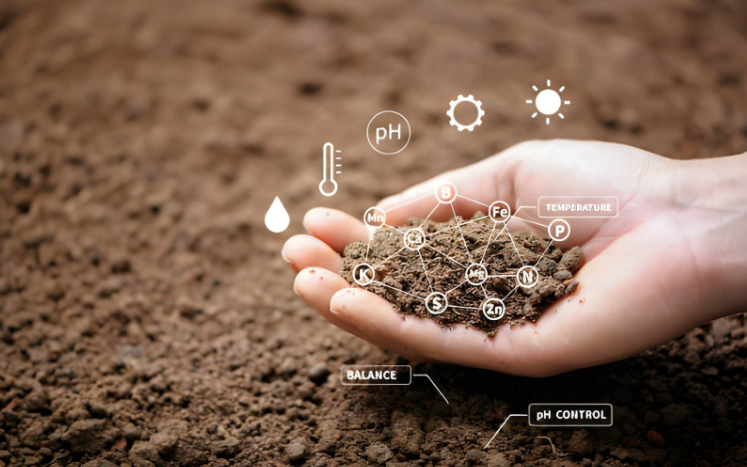
    Soil health refers to the ability of soil to support plant life, maintain nutrients, hold and drain water properly, and sustain beneficial organisms. Healthy garden soil is not just “dirt.” It is a living ecosystem filled with minerals, organic matter, air, water, bacteria, fungi, earthworms, and other microorganisms.

    Good soil provides plants with the right balance of nutrients and structure. It allows roots to spread easily, absorbs moisture without becoming waterlogged, and supports the biological activity needed for long-term fertility.

    Why Soil Health Matters in Gardening

    Soil health plays a major role in how well plants grow. When soil is healthy, plants can access nutrients more efficiently, develop deeper roots, and tolerate stress from drought, heat, pests, and diseases.

    Poor soil, on the other hand, can lead to weak growth, yellowing leaves, stunted plants, poor flowering, low yields, and increased pest problems. Even if you water regularly and use fertilizer, unhealthy soil can prevent plants from thriving.

    Improving garden soil health helps you:

    – Grow healthier and more productive plants
    – Reduce the need for chemical fertilizers
    – Improve water retention and drainage
    – Support beneficial soil organisms
    – Prevent erosion and nutrient loss
    – Build a more sustainable garden ecosystem

    Key Components of Healthy Soil

    Healthy soil is made up of several important components. Understanding these elements can help you identify what your garden needs.

    Soil Texture

    Soil texture refers to the proportion of sand, silt, and clay in your soil. Each type affects how soil holds water and nutrients.

    Sandy soil drains quickly but does not hold nutrients well. Clay soil holds water and nutrients but can become compacted and poorly drained. Silty soil is smooth and fertile but may compact easily. The ideal garden soil is often called loam, which contains a balanced mix of sand, silt, and clay.

    Loamy soil is easy to work with, holds moisture, drains well, and supports healthy root growth.

    Organic Matter

    Organic matter is one of the most important parts of healthy soil. It comes from decomposed plant and animal materials such as compost, leaves, grass clippings, manure, and mulch.

    Adding organic matter improves soil structure, increases nutrient availability, supports beneficial microbes, and helps soil retain moisture. Compost is one of the best soil amendments for improving soil health in gardening because it feeds both plants and soil life.

    Soil pH

    Soil pH measures how acidic or alkaline your soil is. Most garden plants prefer a slightly acidic to neutral pH, usually between 6.0 and 7.0. If the pH is too high or too low, plants may not be able to absorb nutrients properly, even if those nutrients are present in the soil.

    A soil test can help you determine your garden’s pH level. Depending on the results, you may need to add lime to raise pH or sulfur to lower it.

    Soil Biology

    Healthy soil is full of life. Bacteria, fungi, earthworms, insects, and other organisms help break down organic matter and release nutrients for plants. Mycorrhizal fungi, for example, form relationships with plant roots and help them absorb water and nutrients more effectively.

    The more biologically active your soil is, the more resilient and fertile your garden becomes.

    Signs of Healthy Garden Soil

    You can often recognize healthy soil by observing its appearance, smell, and performance. Healthy soil usually has a dark color, a crumbly texture, and an earthy smell. It should hold together when squeezed but break apart easily when touched.

    Other signs of healthy soil include:

    – Plenty of earthworms
    – Good drainage after rain
    – Strong plant growth
    – Deep root systems
    – Fewer disease problems
    – Reduced need for fertilizers

    If your soil is hard, pale, compacted, sticky, or lifeless, it may need improvement.

    How to Improve Soil Health

    Improving soil health takes time, but consistent gardening practices can make a major difference. The goal is to build soil naturally and protect the living organisms within it.

    Add Compost Regularly

    Compost enriches soil with nutrients and organic matter. Add a layer of compost to garden beds each season, or mix it into the top few inches of soil before planting. Compost improves both sandy and clay soils, making it one of the most effective soil amendments.

    Use Mulch

    Mulch protects the soil surface, reduces evaporation, suppresses weeds, and slowly adds organic matter as it breaks down. Organic mulches such as straw, shredded leaves, wood chips, and grass clippings are excellent choices for garden soil health.

    Avoid Over-Tilling

    Tilling can break up compacted soil, but too much tilling damages soil structure and disrupts beneficial organisms. Instead of frequent deep tilling, use gentle methods such as adding compost on top, broadforking, or practicing no-dig gardening.

    Grow Cover Crops

    Cover crops, also called green manure, are plants grown to protect and improve soil. Clover, rye, oats, peas, and vetch can help prevent erosion, add organic matter, and improve soil fertility. Some cover crops also fix nitrogen, making it available for future plants.

    Rotate Crops

    Crop rotation is especially important in vegetable gardening. Growing the same crop in the same place every year can deplete specific nutrients and encourage pests and diseases. Rotating plant families helps maintain balanced soil nutrients and healthier plants.

    Testing Your Soil

    A soil test is one of the best ways to understand your garden soil. It can tell you your soil’s pH, nutrient levels, and sometimes organic matter content. Many local extension offices, garden centers, and laboratories offer soil testing services.

    Once you know what your soil needs, you can make better decisions about compost, fertilizer, lime, or other amendments. Testing prevents guesswork and helps avoid over-fertilizing, which can harm plants and the environment.

    Conclusion

    Understanding soil health in gardening is essential for growing strong, productive, and resilient plants. Healthy soil contains the right balance of texture, organic matter, nutrients, pH, water, air, and living organisms. By adding compost, E-sports Ga6789 using mulch, rotating crops, planting cover crops, and testing your soil, you can steadily improve your garden’s fertility and structure.

    When you take care of your soil, your soil takes care of your plants. A thriving garden begins below the surface, and building healthy soil is one of the best investments any gardener can make.