Understanding Soil Health in Gardening
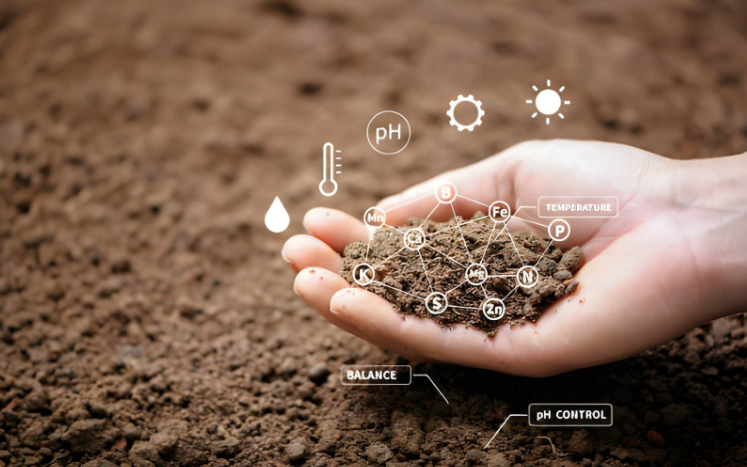
Healthy soil is the foundation of every successful garden. Whether you are growing vegetables, herbs, flowers, shrubs, or fruit trees, the condition of your soil directly affects plant growth, root development, water retention, and nutrient availability. Many gardeners focus on sunlight, watering, and plant selection, but soil health in gardening is just as important—if not more important—than any other factor.
Understanding what makes Ga6789com soil healthy can help you grow stronger plants, reduce pests and diseases, and create a more sustainable garden over time.
What Is Soil Health?
Soil health refers to the ability of soil to support plant life, maintain nutrients, hold and drain water properly, and sustain beneficial organisms. Healthy garden soil is not just “dirt.” It is a living ecosystem filled with minerals, organic matter, air, water, bacteria, fungi, earthworms, and other microorganisms.
Good soil provides plants with the right balance of nutrients and structure. It allows roots to spread easily, absorbs moisture without becoming waterlogged, and supports the biological activity needed for long-term fertility.
Why Soil Health Matters in Gardening
Soil health plays a major role in how well plants grow. When soil is healthy, plants can access nutrients more efficiently, develop deeper roots, and tolerate stress from drought, heat, pests, and diseases.
Poor soil, on the other hand, can lead to weak growth, yellowing leaves, stunted plants, poor flowering, low yields, and increased pest problems. Even if you water regularly and use fertilizer, unhealthy soil can prevent plants from thriving.
Improving garden soil health helps you:
– Grow healthier and more productive plants
– Reduce the need for chemical fertilizers
– Improve water retention and drainage
– Support beneficial soil organisms
– Prevent erosion and nutrient loss
– Build a more sustainable garden ecosystem
Key Components of Healthy Soil
Healthy soil is made up of several important components. Understanding these elements can help you identify what your garden needs.
Soil Texture
Soil texture refers to the proportion of sand, silt, and clay in your soil. Each type affects how soil holds water and nutrients.
Sandy soil drains quickly but does not hold nutrients well. Clay soil holds water and nutrients but can become compacted and poorly drained. Silty soil is smooth and fertile but may compact easily. The ideal garden soil is often called loam, which contains a balanced mix of sand, silt, and clay.
Loamy soil is easy to work with, holds moisture, drains well, and supports healthy root growth.
Organic Matter
Organic matter is one of the most important parts of healthy soil. It comes from decomposed plant and animal materials such as compost, leaves, grass clippings, manure, and mulch.
Adding organic matter improves soil structure, increases nutrient availability, supports beneficial microbes, and helps soil retain moisture. Compost is one of the best soil amendments for improving soil health in gardening because it feeds both plants and soil life.
Soil pH
Soil pH measures how acidic or alkaline your soil is. Most garden plants prefer a slightly acidic to neutral pH, usually between 6.0 and 7.0. If the pH is too high or too low, plants may not be able to absorb nutrients properly, even if those nutrients are present in the soil.
A soil test can help you determine your garden’s pH level. Depending on the results, you may need to add lime to raise pH or sulfur to lower it.
Soil Biology
Healthy soil is full of life. Bacteria, fungi, earthworms, insects, and other organisms help break down organic matter and release nutrients for plants. Mycorrhizal fungi, for example, form relationships with plant roots and help them absorb water and nutrients more effectively.
The more biologically active your soil is, the more resilient and fertile your garden becomes.
Signs of Healthy Garden Soil
You can often recognize healthy soil by observing its appearance, smell, and performance. Healthy soil usually has a dark color, a crumbly texture, and an earthy smell. It should hold together when squeezed but break apart easily when touched.
Other signs of healthy soil include:
– Plenty of earthworms
– Good drainage after rain
– Strong plant growth
– Deep root systems
– Fewer disease problems
– Reduced need for fertilizers
If your soil is hard, pale, compacted, sticky, or lifeless, it may need improvement.
How to Improve Soil Health
Improving soil health takes time, but consistent gardening practices can make a major difference. The goal is to build soil naturally and protect the living organisms within it.
Add Compost Regularly
Compost enriches soil with nutrients and organic matter. Add a layer of compost to garden beds each season, or mix it into the top few inches of soil before planting. Compost improves both sandy and clay soils, making it one of the most effective soil amendments.
Use Mulch
Mulch protects the soil surface, reduces evaporation, suppresses weeds, and slowly adds organic matter as it breaks down. Organic mulches such as straw, shredded leaves, wood chips, and grass clippings are excellent choices for garden soil health.
Avoid Over-Tilling
Tilling can break up compacted soil, but too much tilling damages soil structure and disrupts beneficial organisms. Instead of frequent deep tilling, use gentle methods such as adding compost on top, broadforking, or practicing no-dig gardening.
Grow Cover Crops
Cover crops, also called green manure, are plants grown to protect and improve soil. Clover, rye, oats, peas, and vetch can help prevent erosion, add organic matter, and improve soil fertility. Some cover crops also fix nitrogen, making it available for future plants.
Rotate Crops
Crop rotation is especially important in vegetable gardening. Growing the same crop in the same place every year can deplete specific nutrients and encourage pests and diseases. Rotating plant families helps maintain balanced soil nutrients and healthier plants.
Testing Your Soil
A soil test is one of the best ways to understand your garden soil. It can tell you your soil’s pH, nutrient levels, and sometimes organic matter content. Many local extension offices, garden centers, and laboratories offer soil testing services.
Once you know what your soil needs, you can make better decisions about compost, fertilizer, lime, or other amendments. Testing prevents guesswork and helps avoid over-fertilizing, which can harm plants and the environment.
Conclusion
Understanding soil health in gardening is essential for growing strong, productive, and resilient plants. Healthy soil contains the right balance of texture, organic matter, nutrients, pH, water, air, and living organisms. By adding compost, E-sports Ga6789 using mulch, rotating crops, planting cover crops, and testing your soil, you can steadily improve your garden’s fertility and structure.
When you take care of your soil, your soil takes care of your plants. A thriving garden begins below the surface, and building healthy soil is one of the best investments any gardener can make.